Violin Classes for Beginner Students
Beginner Violin Lessons
Ages 5–10, Prep to Grade 3
Children can start beginner violin lessons from around age 5 or 6, depending on readiness and focus.
Young violin players learn through play to build musical skills confidently and safely.
Lessons include fun, structured activities such as note-singing, rhythm clapping, musical games, and step-by-step coaching in violin and bow technique.
This approach helps beginner students develop strong posture, listening skills, tone production, and basic music reading, creating a solid foundation for long-term progress.
By the end of the first year, students are often ready to join a studio concert alongside more experienced players.
By the end of the second year, with clear weekly practice guidance, many young violinists can work toward AMEB, ABRSM or Trinity Grade 1 (if that’s their goal).
Violin classes for Intermediate students
Grades 4-6
Students working toward Grades 4–6 are usually at an intermediate stage, often around ages 12–14, though the level depends on when they began violin lessons. Structured coaching helps students progress confidently through this important development phase.
Around this age, many students join more complex school music programs, such as orchestras, chamber groups, or contemporary ensembles. During those lessons, students learn to apply technique and musicianship to real ensemble playing, not just exam pieces. Practice time is guided to include:
Grade repertoire and technical work, and
School ensemble music, so skills transfer directly to rehearsals and performances.
With regular practice, intermediate students strengthen intonation, tone, shifting, rhythm accuracy and musical expression—building the consistency needed for Grades 4–6 and for confident participation in school ensembles.
Violin Classes for Advanced Students
Grade 7 and above
Auditions, Orchestras & Higher Grades
Students aged 15 and above are often ready for advanced violin lessons, in which the focus shifts to advanced technique, musical maturity, and consistent performance.
At this stage, many students work toward auditions for higher-level youth orchestras and competitive school or community chamber groups. Lessons are tailored to the requirements of each audition panel and ensemble, including advanced repertoire, orchestral excerpts, sight-reading, rhythm accuracy, and confident stage delivery. Students may also prepare for higher-grade violin exams (e.g., AMEB, ABRSM/Trinity), where appropriate, through structured practice plans and exam-focused coaching.
Advanced students continue refining intonation, shifting, vibrato, articulation, tone production, and interpretation—building the control needed for auditions, concerts, and long-term personal or professional goals.
Relaxed & Friendly
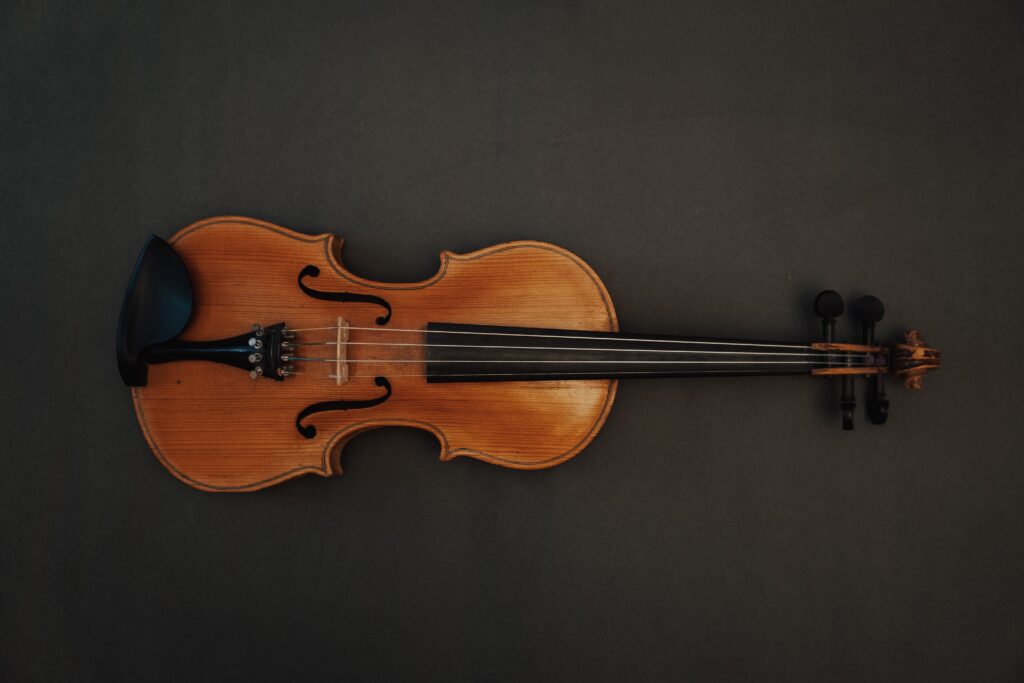
One on one lessons
All lessons regarding the desired outcome are conducted on a one-on-one basis. Here are some one-on-one teaching benefits:
- High quality interaction between a student and a teacher
- Reduced distraction
- A comfortable learning environment
- Tailored learning
- Frequent feedback
- Ability to achieve a result quicker
Violin Tuition
Playing any instrument offers a student various ways of studying music in general. If your child is learning an orchestral instrument like a violin, it will allow them to perform solo or participate in various orchestras, chamber groups, or ensembles and being exposed to different genres or styles of music. Also worth mentioning is that ability to play the violin lets the student socialise with other peers, which is so essential for their social development.
- Ability to play solo
- Being part of a chamber group
- Being a part of an Orchestra
- Social interactions
- Discovering new interests
- Ability to self-express
Viola Tuition
There is always a shortage of Viola players, and every orchestra or string quartet need viola players. Unfortunately, many parents don’t know about the existence of such an instrument. The good thing is that the way of playing the Viola or Violin is quite similar, i.e. the way the instrument and the bow are held. The difference between these two instruments is the Clef, i.e. Violas use Alto Clef, and Violins use the Treble Clef. So if student knows how to play the Violin, they can easily play the Viola.